Quantum Cryptography & Intelligent Agents
My research investigates the deployment of Ephemeral Intelligent Agents within critical IoT ecosystems—specifically targeting high-stakes environments such as nuclear reactors, implantable medical devices (pacemakers), and orbital satellite networks. These autonomous agents function as a transient security layer, designed to mitigate real-time threats before executing a secure self-deletion protocol to minimize the device's forensic footprint.
Core Security Topics
- Quantum Key Distribution (QKD)
- Post-Quantum Cryptography (PQC)
- Autonomous Threat Detection
Comparison of Security Methods
| Method | Primary Benefit | Implementation Layer |
|---|---|---|
| Quantum Cryptography | Physics-based security (unbreakable by math) | Physical/Link Layer |
| Ephemeral Agents | Minimized attack surface via self-deletion | Application/Logic Layer |
| Power Management | "Triggered Presence" dormancy | Firmware/Battery Layer |
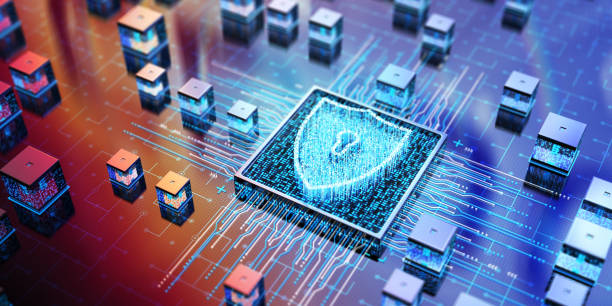
Fig 1: Conceptual architecture of secure IoT nodes.
Energy-Efficient Security & Self-Deletion
Resource-constrained IoT devices, particularly implantable medical devices (IMDs) and remote orbital sensors, operate on strict power budgets. My proposed agent architecture optimizes battery longevity by utilizing a "Triggered Presence" model. Instead of maintaining a persistent security overhead, the agent remains dormant until an anomaly is detected. Once the mitigation task is complete, the secure self-deletion protocol is executed. This not only removes the forensic footprint but also reclaims volatile memory and halts background processing, effectively returning the device to a low-power state and extending its operational lifecycle.
References & Scholarly Resources
- NIST: Post-Quantum Cryptography Standardization
- IEEE: Secure Internet of Things (IoT)-Based Smart-World Critical Infrastructures